|
|||
| Industry News | <Search <Archives <eBulletin Next> | ||

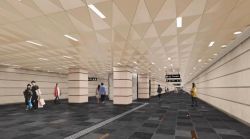
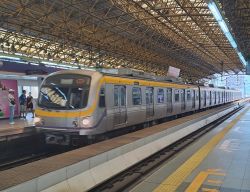
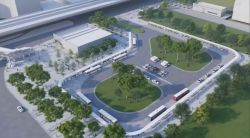
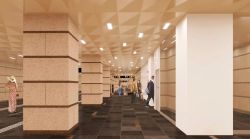
April 30, 2026 Building Beneath the Megacity: The Metro Manila Subway Project Takes Shape  < Main Page < Main PageFrom visionary planning to complex engineering and construction, the Philippines’ first underground railway signals a new era in urban mobility The Metro Manila Subway Project (MMSP) is one of the Philippines’ most ambitious infrastructure undertakings, representing the country’s first fully underground mass transit system. Conceived to address chronic traffic congestion in Metro Manila and modernize urban mobility, the project has evolved through extensive planning, sophisticated engineering design, and complex construction processes. This report outlines the key developments across these three critical phases. Planning Phase Early concepts for a metro system were included in studies during the 1970s and 1980s, but it was not until the 2014 “Mega Manila Dream Plan”. The project was formally adopted by the Philippine government and integrated into the national “Build! Build! Build!” infrastructure program in 2017. Its primary objective is to provide a safe, efficient, and high-capacity transport backbone for Metro Manila. Financial planning has been a central component of the project. The MMSP is largely funded through official development assistance loans from Japan, secured in multiple tranches between 2018 and 2024. These loans enabled the Philippine Department of Transportation (DOTr) to proceed with feasibility studies, land acquisition, and procurement processes. The planned alignment spans approximately 33 kilometers, linking northern and southern parts of Metro Manila and passing through several key cities including Valenzuela, Quezon City, Pasig, Makati, Taguig, and Parañaque. The system is expected to include 15–17 stations and a depot, forming a continuous underground corridor designed to accommodate hundreds of thousands of passengers daily. Design Phase The design phase of the Metro Manila Subway Project reflects a high level of technical sophistication and international collaboration. Engineering design work formally began in 2018, following the completion of feasibility studies and financing arrangements. A defining feature of the project is its adoption of advanced digital engineering tools and Building Information Modeling (BIM). Project teams implemented a “common data environment” to facilitate real-time collaboration among engineers, contractors, and stakeholders. This approach has improved coordination, reduced design conflicts, and enhanced cost efficiency. The system is designed as a fully underground, standard-gauge railway with modern features such as platform screen doors, automated fare collection, and advanced signaling systems. The electrical and mechanical (E&M) systems—including power supply, communications, and train control—are being delivered by international consortia involving major Japanese and European firms. From a structural perspective, the subway incorporates multiple tunneling and construction methodologies to adapt to varying geological and urban conditions. These include:
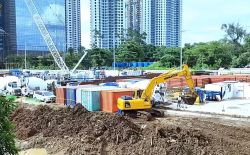
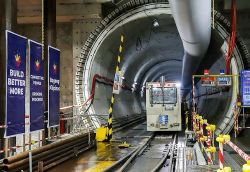
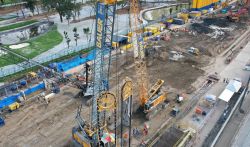
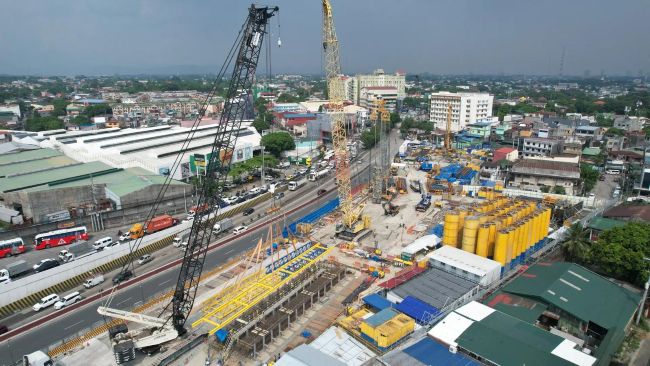 The design also emphasizes resilience and safety, particularly given the Philippines’ vulnerability to earthquakes and flooding. Engineers have ensured that the alignment avoids major fault lines and integrates flood mitigation measures such as waterproofing systems and elevated entrances. Another key design consideration is capacity and future scalability. The system is planned to operate high-capacity trains, with provisions for future extensions beyond the initial alignment. Integration with other rail systems, such as the North–South Commuter Railway, is also part of the broader design strategy. Construction Phase Construction of the Metro Manila Subway officially began with a groundbreaking ceremony on February 27, 2019, marking the transition from planning to physical implementation. Full-scale construction activities commenced later that year, with underground works gaining momentum in subsequent years. The project has been divided into multiple contract packages, each covering specific segments of the line, stations, or system components. Major international contractors—primarily from Japan—have been engaged, often in joint ventures with local firms. These include companies such as Shimizu Corporation, Takenaka Corporation, and others responsible for station construction and tunneling works. A significant milestone in construction has been the deployment of over 20 tunnel boring machines, enabling simultaneous excavation across different sections of the alignment. These machines are critical for maintaining progress while minimizing surface disruption in densely populated urban areas. Construction techniques vary depending on location. In densely built areas, TBMs are used to bore deep tunnels with minimal impact on surface activities. In contrast, cut-and-cover methods are employed for station boxes, which require excavation from the surface. This has necessitated temporary road closures and traffic management measures. The project’s full system completion is presently scheduled for around 2029. Total projected cost estimates for the comprehensive project, including all phases, are nearing $14 billion USD. Conclusion The Metro Manila Subway Project represents a transformative step in the Philippines’ urban transport development. Its planning phase laid the groundwork through long-term strategic studies and international financing partnerships. The design phase introduced advanced engineering practices, digital collaboration tools, and resilient infrastructure solutions. Meanwhile, the construction phase demonstrates both the opportunities and challenges of implementing a large-scale underground railway in a dense metropolitan environment. Once completed, the MMSP is expected to significantly reduce travel times, improve connectivity, and stimulate economic growth across Metro Manila. Although delays and technical challenges persist, the project remains a cornerstone of the country’s infrastructure modernization efforts and a symbol of its commitment to sustainable urban mobility. (Reported by Building.hk) 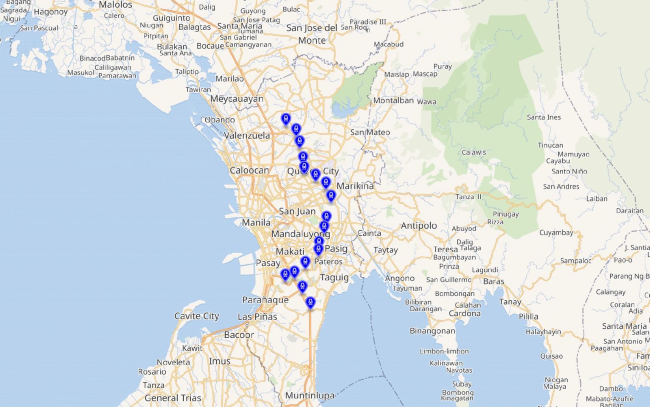 |
|
Copyright © Building.hk All rights reserved.
|