|
|||
| Industry News | <Search <Archives <eBulletin Next> | ||

May 7, 2026 Chinese Engineering and Construction Firms Expand Strategic Presence in the Philippines  < Main Page < Main PageInfrastructure, Renewable Energy, and EPC Contracting Drive a New Phase of China–Philippines Project Cooperation China’s construction and engineering presence in the Philippines remains significant in 2026, with growing emphasis on selective infrastructure development, renewable energy expansion, EPC contracting, and participation in competitively bid Philippine-funded projects.
Below are the major current activities and emerging trends shaping Chinese involvement in the country’s infrastructure and energy sectors.
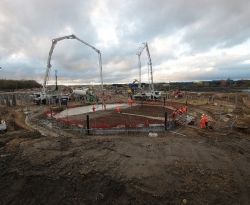
Bataan–Cavite Interlink Bridge (BCIB) The Bataan–Cavite Interlink Bridge (BCIB) across Manila Bay remains the largest and most strategically important ongoing infrastructure project involving Chinese contractors in the Philippines.
Key Developments
The project highlights the continued competitiveness of Chinese contractors in large-scale transport and bridge construction across Southeast Asia.
Renewable Energy Expansion
Chinese engineering companies are becoming increasingly active in the Philippines’ clean energy and energy transition sectors.
Solar and Battery Storage
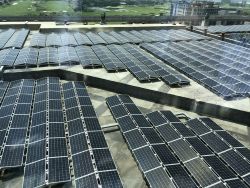
China Energy Engineering Group (CEEC) secured the EPC contract for the:
The project reflects:
Wind Power
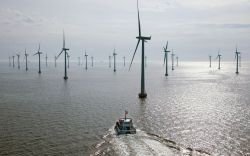
PowerChina reportedly signed an EPC contract for the:
The project’s reported value is approximately:
The development forms part of a broader regional expansion by Chinese firms into Southeast Asia’s renewable energy market.
Shift from Chinese Financing to Competitive Contracting
A major structural shift since the Duterte administration is that many Chinese entities in the Philippines are no longer operating primarily through state-backed concessional financing arrangements. Instead, Chinese firms are increasingly:
Despite heightened competition, Chinese firms continue to maintain advantages in:
Belt and Road Initiative (BRI) Reconfiguration
China’s broader Belt and Road Initiative (BRI) strategy has continued to evolve globally, including in the Philippines.
Recent developments indicate that China is placing greater emphasis on:
This transition reflects a more selective and commercially driven phase of China’s overseas infrastructure engagement.
Key Chinese Entities Active or Bidding in the Philippines
Some of the most visible Chinese-linked engineering and construction firms currently active or participating in bids in the Philippines include:
Overall Assessment
China’s current infrastructure and engineering activities in the Philippines are characterized by:
At present, Chinese engineering firms continue to play a notable role in the Philippines’ infrastructure and energy development landscape.
(Reported by Building.hk) |
|



Copyright © Building.hk All rights reserved.
|